
Home » Scans & Imaging » Mammography
Home » Scans & Imaging » Mammography
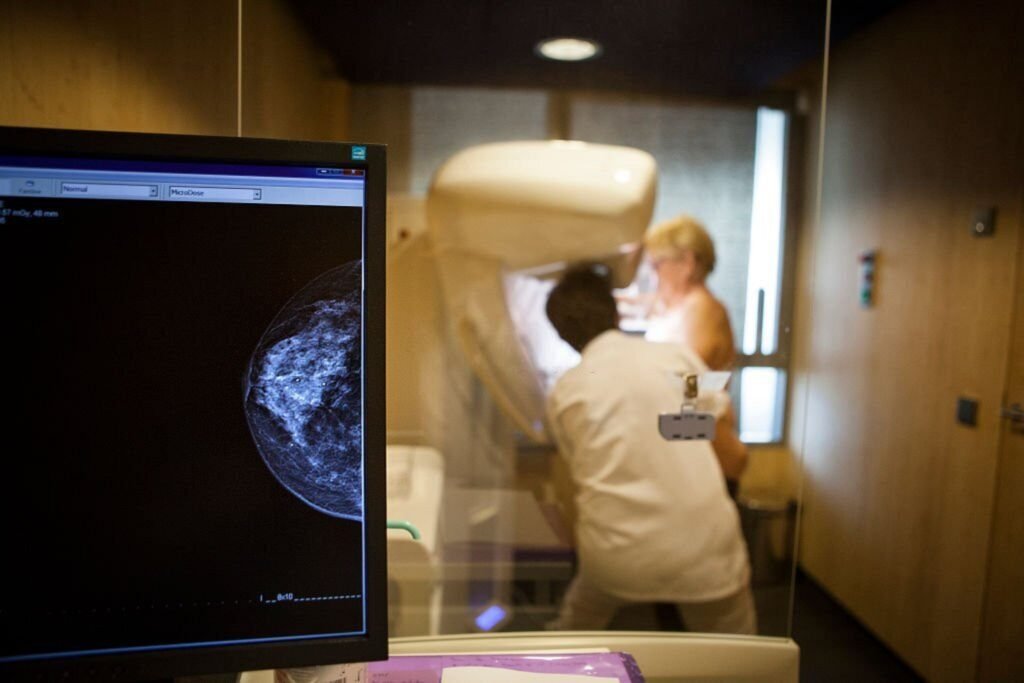
The procedure is safe and convenient:
• No fasting is required before the examination.
• Avoid applying deodorant, powder, lotion, or perfume on the chest or underarm area on the day of the test.
• Inform the technician about pregnancy, breastfeeding, breast implants, or prior breast procedures.
• Carry previous mammogram reports for accurate comparison and evaluation.
Reports are typically available within the specified turnaround time, enabling timely medical consultation if required.
During a mammography procedure, the breast is gently positioned and compressed between two specialized plates to spread the tissue evenly for clear imaging. Low-dose X-rays are then taken from different angles to capture detailed images of the breast. The compression lasts only a few seconds for each image and may cause mild discomfort but helps improve image quality and accuracy. The entire procedure typically takes about 15–20 minutes.
Mammography is prescribed for early detection of breast cancer, especially as part of routine screening in women above 40 years of age or those at higher risk due to family history. It is also recommended to evaluate breast lumps, nipple discharge, pain, skin changes, or any abnormal findings during a clinical breast examination, helping in timely diagnosis and treatment planning.
• Mammography uses low-dose X-rays specifically designed for detailed breast imaging.
• Mild compression is necessary to obtain clear and accurate images.
• Early detection through screening significantly improves treatment outcomes.
• Digital mammography allows enhanced image storage, comparison, and detailed analysis.
• Regular screening intervals are determined based on age, risk factors, and medical history.