Call Center

+91 702 579 0257

Ultrasound Scan

Ultrasound Scan

Overview

An ultrasound scan is a diagnostic imaging test that uses high-frequency sound waves to produce real-time images of internal organs and structures within the body. It is a safe, painless, and non-invasive procedure that does not use radiation. Ultrasound is commonly used to examine the abdomen, pelvis, heart, blood vessels, thyroid, and other soft tissues. It is widely performed during pregnancy to monitor fetal development. The scan provides immediate visual assessment and helps doctors evaluate organ structure, detect abnormalities, and guide certain medical procedures.

Ideal For

An ultrasound scan is ideal for evaluating abdominal organs such as the liver, gallbladder, kidneys, and pancreas; assessing pelvic structures including the uterus and ovaries; monitoring pregnancy and fetal development; examining the heart and blood flow (echocardiography and Doppler studies); and guiding minimally invasive procedures like biopsies or fluid drainage.

Pre-Requisite

Process

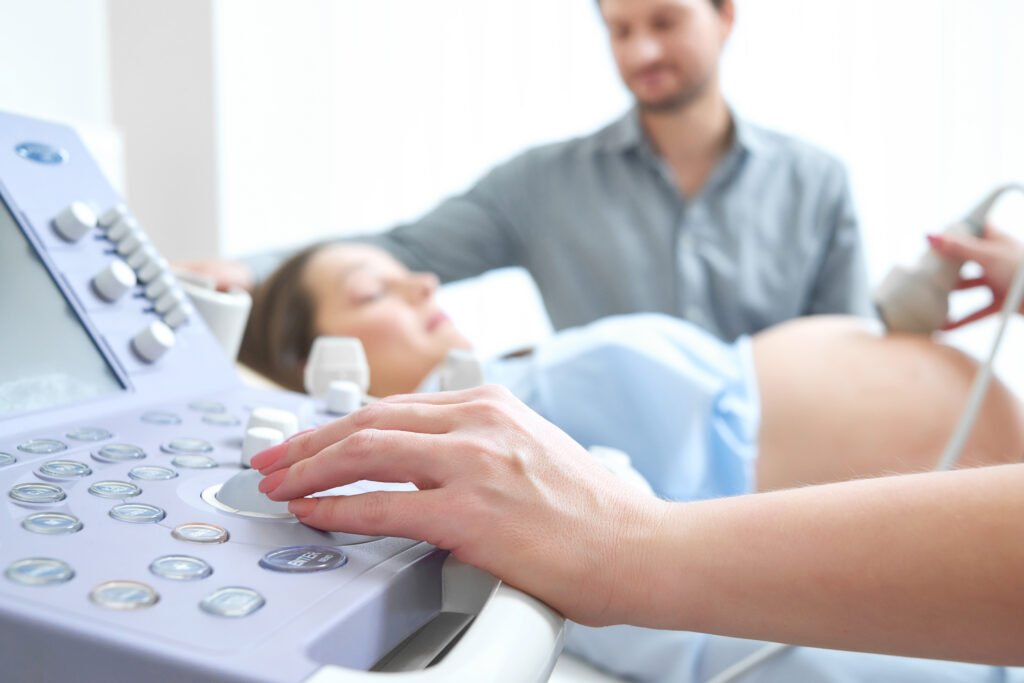
During an ultrasound scan, you will lie comfortably on an examination table while a water-based gel is applied to the area being examined. A handheld device called a transducer is gently moved over the skin to transmit and receive sound waves, which create real-time images on a monitor. The procedure is painless, typically takes 15–30 minutes, and allows immediate visualization of internal structures.

Popular Health Packages

When and Why CT Scan is Prescribed?

The preparation depends on the area being examined:

• Fasting for 6–8 hours may be required for abdominal scans to improve image clarity.
• A full bladder may be necessary for pelvic or pregnancy-related ultrasounds.
• Wear comfortable clothing that allows easy access to the area being scanned.
• Inform the doctor about any ongoing medical conditions or previous reports for reference.

Reports are generally available as advised by the diagnostic center.

Things You Should Know

• Ultrasound uses high-frequency sound waves and does not involve radiation exposure.
• It provides real-time imaging, allowing assessment of organ movement and blood flow.
• Image quality may depend on proper preparation, such as fasting or maintaining a full bladder.
• The procedure is non-invasive and generally well tolerated across all age groups.
• It is widely used for routine evaluations as well as for guiding certain diagnostic and therapeutic procedures.

Frequently Asked Questions

Ultrasound uses high-frequency sound waves that reflect off internal tissues, and the returning echoes are converted into real-time images for clinical evaluation.
Proper preparation such as fasting or maintaining a full bladder, along with the patient’s body habitus and the area being examined, can affect image quality.
Ultrasound is highly effective for soft tissue and fluid-filled structures, but certain conditions may require complementary imaging such as CT or MRI for detailed assessment.
Yes, since it does not use radiation, ultrasound is safe for follow-up examinations and routine monitoring, including during pregnancy.
The images are analyzed by a radiologist or qualified specialist, and the results are integrated with clinical findings to guide diagnosis and treatment decisions.

Filters

Test Type

Health condition

Gender

Age Group

Filters

Package Type

Health condition

Gender

Age Group